10 Timeless 19th-Century Romance Tropes That Still Captivate Readers

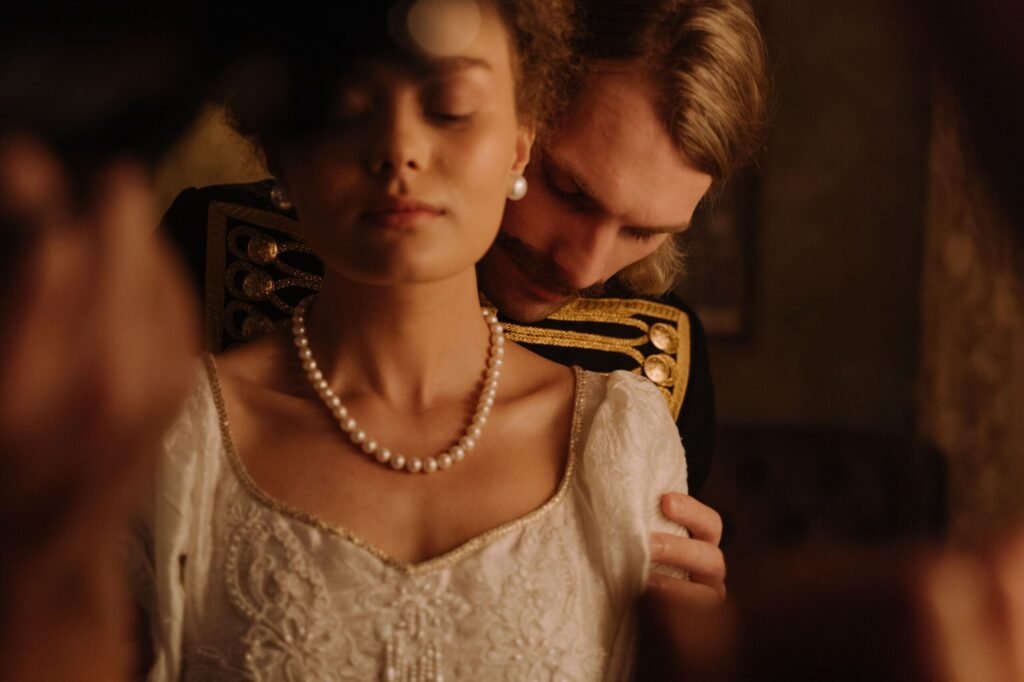
While researching 19th Century Romance Tropes for my own novels, I uncovered a rich collection of themes, character dynamics, and storytelling patterns that continue to shape historical romance today. From marriages of convenience and forbidden courtships to brooding aristocrats, spirited heroines, social scandals, and second chances at love, these familiar tropes remain popular because they combine emotional tension with the strict expectations of the period.
The 19th century offers an especially compelling backdrop for romance. Social class, reputation, inheritance, family duty, gender expectations, and public propriety all create natural obstacles for love stories. A stolen glance across a ballroom, an unexpected inheritance, a scandalous rumour, or an arranged marriage can carry enormous consequences, giving writers endless opportunities to build tension, longing, conflict, and emotional payoff.
In this blog post, I will share ten of the best 19th-century romance tropes I discovered during my research and explain why they continue to resonate with readers and writers alike. Whether you are a historical romance fan, an aspiring novelist, or simply curious about the storytelling traditions behind beloved period romances, these tropes offer a fascinating look at how love stories are shaped by time, place, and society.
I will also include the websites and resources I used along the way so you can explore the information for yourself, compare different interpretations, and perhaps find inspiration for your own reading or writing journey. Historical romance has always thrived on familiar patterns made fresh through character, voice, and emotional stakes—and the 19th century remains one of the most rewarding settings for bringing those patterns to life.
10 -19th Century Romance Tropes List
1. Marriage of Convenience. This trope is when two people decide to get married as a business deal. They get married, they live together, but the female decides that there will be no sex, making the husband realize that this marriage of convenience… is quite inconvenient for him.
This in turn, makes the husband desperate for attention from his new wife… and does everything to get his wife’s attention. Tension and desire build until the female breaks her vow of chastity and the original marriage of convenience becomes a marriage… with benefits.
Of course, this brings in complications and a few dark and desperate moments that foreshadow a threat to their happiness, but in the end, love conquers all.
2. Beauty and the Beast type of trope. This is another powerful theme for romance readers. We love to read(or watch movies) about a wounded man(who has scars on the inside or outside), shunned by Society, who has lost all faith in himself, who finally finds his way back into the world through the love of a good woman. This also works if you switch the characters around and make the hero the beauty.
3. Scandal and the Forbidden. Readers love to read about a scandal and how a heroine breaks society’s rules and does the forbidden. For example, the clothes they must not wear or which man she must not flirt with or kiss. Of course, the romantic part is when two people each decide that the other person is worth breaking all the rules for and choose to love each other no matter what.
4. Romances about Dukes. There’s just something intriguing about a Duke in historical romance. He’s a powerful and often rich man at the top of the aristocracy – so when a Duke falls to his knees, deeply in love, it’s very romantic. Many popular Victorian or Regency romances include Viscount’s, Earls and Dukes.
5. Separated lovers reunite. This trope goes a little like this: man and woman fall in love, their loves falls apart and the couple is separated. Something dramatic forces them back together again and they start to remember all the reasons they broke up in the first place. Except this time, they stick together and are finally rewarded with the happy marriage they wanted – but didn’t get – the first time round.
6. A Makeover Story. Sometimes a man or woman needs a little help to reveal his or her true self. It could be clothing, a new hairstyle, education, but something changes which gives the character more confidence and belief in themselves. In a female character, she believes in herself and sees herself as a desirable woman, and makes the hero take notice and ultimately in the end, he realizes that this woman is who I love. This also is great, when it’s the man who goes through the transformation.
7. A Compromising Situation. There are many historical romances that use this trope ~ and it works. Usually it’s a woman’s reputation, or her life, that can be irrevocably ruined if she’s caught alone with a man. Sometimes it’s accidental, and other times in some way, the situation is manipulated. In the end this story, results in two people who don’t know each other very well, but are attracted to each other, being forced to marry each other – before they’ve fallen in love.
8. The Governess. This is about a governess who works for a man who has children under his care, and she cares for his child(children). He is attracted to her, but knows there are hundreds of reasons why he can’t have her. Yet, as they learn more about each other, they are drawn together by their mutual love and care for the children. Because of their closeness, romance develops. And sometimes this causes a bit of a scandal.
9. A Bad Boy(Rakes). This trope is about a man who is dangerous for the female character to know, the man her friends tell her will break her heart, but she’s still drawn to him. When the right woman comes along who is intelligent, challenges him and whom he’s attracted to, he falls for her.
10. The boss and under-appreciated female worker. This is a story about an overworked female character who works for a boss who doesn’t appreciate her and isn’t aware of how hard she works for him. So she decides to quit. The boss, then finds that his life falls apart without his female worker and is desperate to get her back. He plans, tempts, and falls in love with her and then near the end – in his greatest show of appreciation – he grovels, showing her that at last he appreciates her for the beautiful and intelligent woman she is.

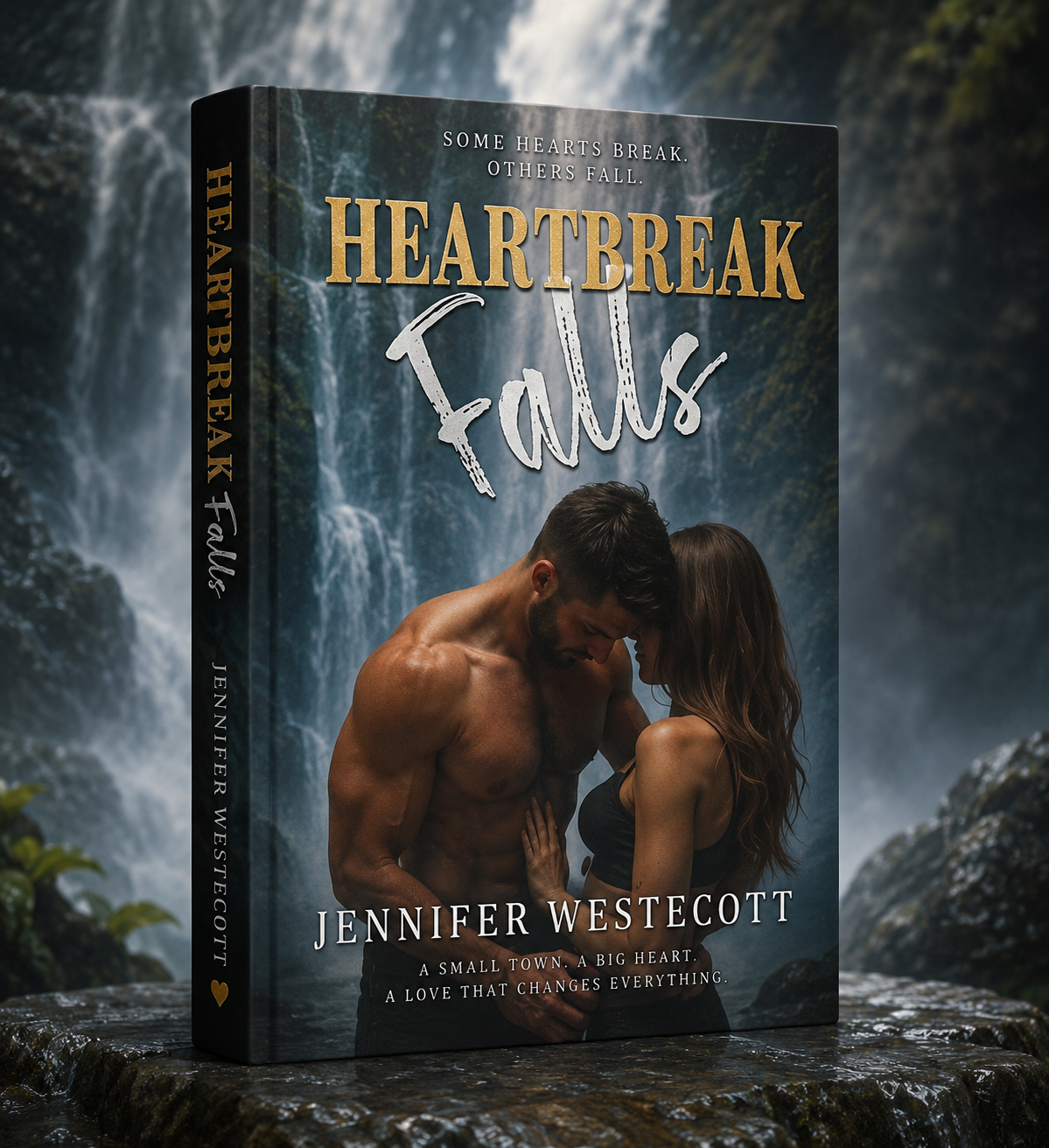
When I first began writing Heartbreak Falls, I was not entirely certain where the story belonged in time. I knew the emotional direction of the novel, and I understood the heart of the characters I wanted to create, but the historical setting revealed itself gradually as the story unfolded. The more I wrote, the clearer it became that I was being drawn into the world of the 19th century—a period that has always fascinated me for its elegance, complexity, traditions, and atmosphere.
There is something deeply compelling about that era. I have always been captivated by the beauty of the gowns women wore, the formality of courtship, the grandeur of debutante balls, the carefully prepared meals, and the remarkable craftsmanship found in the homes of wealthier families. The customs, expectations, and social rules of the time created a world filled with both beauty and restriction, which made it an ideal backdrop for a story shaped by love, heartbreak, resilience, and personal transformation.
As the novel developed, I found myself spending countless hours researching the details that would make the setting feel authentic. I wanted to understand the types of roads people travelled on, the carriages they used, the food they served, the architecture they lived in, and the expectations that shaped daily life. Even the smallest details mattered to me because I wanted readers to feel immersed in the world of the story, not simply told about it. That research became more than background preparation—it became a way of stepping into another time and allowing the world of Heartbreak Falls to become vivid, textured, and alive.
It was only after I finished writing the book that I truly understood what the process had meant to me. Heartbreak Falls was not just a novel I had created; it had quietly become part of my own healing journey. Through the act of writing, researching, imagining, and building this world, I began to process pieces of my life that I had carried for a long time. In many ways, the story helped me recover from addiction, confront personal trauma, and rediscover parts of myself that had been buried beneath pain, survival, and silence.
Looking back, I can see that writing this book gave me a place to explore strength, vulnerability, grief, hope, and renewal. The 19th-century setting may have provided the visual beauty and historical structure, but the emotional foundation came from something much deeper. Heartbreak Falls became both a creative project and a personal refuge—a reminder that stories can do more than entertain. Sometimes, they help us survive. Sometimes, they help us heal.