
Discover a Captivating Historical Love Story
Historical Love Story isn’t actually about the moment two people fall in love; they’re about the moment they almost lose everything to stay together. It’s a bold claim. However, in a market where 82 percent of romance readers buy at least one book every month, the search for something truly profound is constant. You’ve likely felt the exhaustion of wading through predictable plots and one-dimensional characters who never seem to face a real dilemma. When you pick up historical love story books, you aren’t just looking for a happy ending. You’re looking for a mirror to the soul. High stakes. Raw emotion. Real consequences.
We understand that craving for a narrative that keeps you up until 2 a.m. because the tension is simply too thick to ignore. You want to feel the ache of a character caught between their heart and their history. This guide will reveal why the most gripping modern romances are built on the foundation of difficult decisions. We’ll show you how to find your next unforgettable read, highlighting indie authors who offer fresh perspectives and the deep emotional catharsis you’ve been missing. From high-stakes drama to the quiet intensity of personal growth, prepare to discover stories that linger long after the final page is turned.
Key Takeaways
- Understand why the most compelling historical love story books have evolved from simple “meet-cutes” into complex explorations of meaningful, high-stakes connections.
- Learn how the “impossible choice” creates narrative tension that transforms a standard romance into a visceral, unforgettable experience.
- Discover the subtle differences between literary realism and genre expectations to help you match your next read to your specific emotional needs.
- Master a two-step strategy for building your 2026 TBR list by identifying your personal emotional triggers and seeking out multidimensional character profiles.
- Explore how Heartbreak Falls serves as a masterclass in modern passion, illustrating the raw power of choosing love when the odds are stacked against you.
Explore Captivating a Historical Love Story
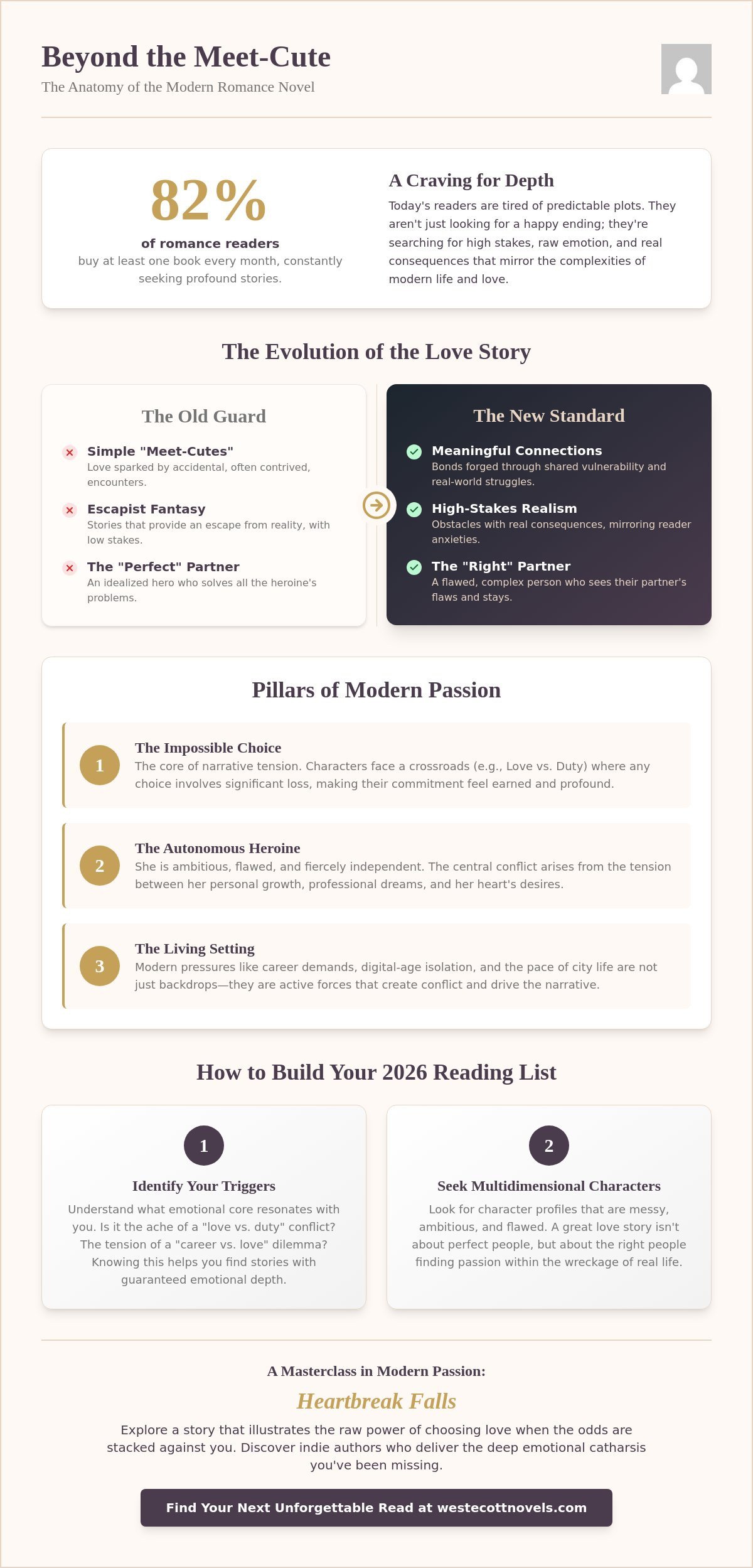
The genre of Historical romance has undergone a seismic shift. In 2026, readers aren’t just looking for a sunset; they’re looking for the storm that came before it. To understand What Defines Historical Love Story Books today, we must look at how the genre prioritizes visceral emotional growth over simple proximity. The days of the accidental “meet-cute” in a crowded elevator are fading. In their place, we find the “meaningful connection,” a bond forged through shared vulnerability, digital-age isolation, and the crushing weight of modern career pressures. It’s about the slow, sometimes painful process of two people truly seeing one another.
Historical love story books now treat the setting as a living, breathing entity. The frantic pace of city life or the hollow echo of a social media feed isn’t just background noise. These elements act as catalysts for conflict. They force characters to confront their own loneliness and the difficulty of maintaining intimacy in a world that demands constant productivity. Readers are increasingly choosing high-stakes realism over escapist fantasy. They want to see their own struggles reflected in the pages. They want to know that love can survive a 60-hour work week and the anxiety of an uncertain future.
- Digital Vulnerability: How screens both connect and distance us in our search for intimacy.
- Career-Love Conflict: The tension between personal ambition and the time required to nurture a relationship.
- High-Stakes Realism: Stories where the obstacles aren’t just misunderstandings, but real-world consequences.
Realism vs. Idealism: The New Standard
Perfection is out. Messy is in. Historical audiences resonate with relationships that feel lived-in and complicated. The decline of the “perfect” partner has paved the way for the “right” partner, someone who sees the flaws and stays anyway. This new standard balances romantic hope with the harsh realities of adult choices. It acknowledges that sometimes love isn’t enough to solve every problem, but the decision to try is what makes the story beautiful. It’s about finding passion within the wreckage of real life, a theme explored deeply in novels like Heartbreak Falls.
The Power of the Impossible Choice in Romance
True passion isn’t found in a smooth path. It’s found in the friction of a difficult decision. This is what separates standard fiction from truly resonant historical love story books. When a character must choose between their own happiness and a crushing obligation, the reader stops being a spectator and becomes a confidant. We don’t just want to see people fall in love. We want to see them fight for it against the weight of their own history. Scholarly research in The Power of the Impossible Choice in Romance suggests that these narrative crossroads are essential for deep reader engagement. It isn’t just about the “will they, won’t they” anymore. It’s about “at what cost?”
Tension peaks when characters have something significant to lose. If the choice is easy, the love feels cheap. If the choice costs them their identity, their career, or their peace of mind, the eventual union feels like a hard-won victory. This transformation turns a simple plot into a literary journey that mirrors the complexity of our own lives. We root for these characters because their moral crossroads reflect our own. We understand the agony of standing at a precipice where every direction leads to a different kind of loss.
Love vs. Duty: A Timeless Conflict in a Modern Setting
Familial expectations and professional ethics are the new dragons to slay. In 2026, readers find profound catharsis in watching characters navigate high-stakes dilemmas that feel grounded in reality. Whether it’s a professional choosing between a career-defining promotion and a partner in another city, or a person breaking a toxic family tradition for a chance at joy, these choices define the best-sellers of the year. Watching them choose happiness over duty provides a release that many readers crave in their own structured lives.
Emotional Arcs: From Heartbreak to Healing
The “low point” is non-negotiable for a satisfying payoff. Authors use loss to highlight the value of the eventual connection, stripping characters down to their core truths before allowing them to rebuild. This process isn’t just about sadness. It’s about the strength required to survive it. Heartbreak serves as the necessary forge where modern romantic resilience is tempered and tested. To feel this tension firsthand, you might enjoy a free sample chapter from a narrative where the choices are never easy and the consequences are always real.
Literary Romance vs. Genre Romance: Which Should You Read?
Choosing between literary and genre romance is like choosing between a mirror and a window. One shows you the world as it is; the other shows you the world as you wish it could be. When you dive into contemporary love story books, you’ve likely noticed this emotional divide. Genre romance often follows a strict emotional contract, promising a Happily Ever After (HEA) that provides a sense of safety. Literary romance, however, prioritizes emotional realism. It doesn’t care about the comfort of a trope; it cares about the raw, sometimes jagged truth of the human heart. This is why 2026 readers are increasingly hunting for “hybrid” stories. These novels offer the familiar warmth of a romance but ground it in the gritty, complex depth of literary prose.
Your choice often depends on your current emotional hunger. If you want the electric, immediate heat of an “Instant Spark,” genre-leaning titles deliver that rush. If you prefer the exquisite torture of a “Slow Burn,” where every glance feels like a hard-won victory, you’re leaning toward the literary side. This distinction isn’t just about speed. It’s about how the prose style influences the very “feel” of the narrative. A lyrical, descriptive style can make a simple conversation feel like a high-stakes confrontation, while a punchy, dialogue-driven pace keeps the adrenaline high.
- The HEA Contract: The guaranteed satisfaction of a happy ending versus the unpredictable nature of realistic growth.
- Prose as Atmosphere: How sentence structure and vocabulary choices dictate the emotional temperature of the story.
- Hybrid Appeal: The rise of stories that blend high-concept tropes with deep psychological character studies.
High-Stakes Drama and Narrative Tension
Literary-leaning romances prioritize the internal monologue over external action. These stories are defined by psychological depth and complex themes that mirror the “impossible choices” we discussed earlier. You’ll find lyrical prose that dissects a character’s motives with surgical precision. It’s the hallmark of an “angsty” read. These books are designed for the reader who wants to feel the ache of the unfinished and the weight of what remains unsaid. It’s the perfect choice when you want a story that challenges your perspective rather than just comforting it.
The “Page-Turner” Quality: Pacing in Contemporary Fiction
Pacing is the heartbeat of high-tension fiction. It isn’t just about how fast the plot moves; it’s about the rhythm of the connection. Authors maintain momentum through sharp dialogue and rhythmic sentence structures that mimic the rising pulse of attraction. They don’t just tell you the characters are in love. They show you through the frantic cadence of their thoughts and the sensory details of their environment. High-tension romance transforms the simple act of reading into an immersive, unputdownable experience where every breath feels borrowed.
How to Build Your 2026 TBR List: A Guide for Romance Readers
With US print romance sales reaching 51 million units in 2026, the sheer volume of choices is staggering. It’s easy to fall into the trap of “TBR fatigue,” where your list grows but your excitement wanes. Building a collection of contemporary love story books that actually resonate requires a strategic, heart-first approach. Don’t just chase what’s trending on social media. Instead, curate a list that speaks to your specific emotional architecture. It’s about finding the stories that make you feel seen, not just the ones that are popular.
- Step 1: Identify your “Emotional Trigger.” Are you drawn to the redemption of second chances or the high-stakes tension of forbidden love? Knowing what makes your pulse quicken is the first step toward a five-star read.
- Step 2: Seek complex character profiles. Look for leads who have more than just a tragic backstory. Find characters with ambition, flawed logic, and real professional stakes.
- Step 3: Explore indie authors. Independent writers often take the boldest risks, offering fresh, unfiltered perspectives that mainstream publishing might overlook.
- Step 4: Balance the arcs. Ensure your list includes both the “low points” of heartbreak and the soaring highs of healing. You need the contrast to feel the full weight of the journey.
Spotting “Real” Emotions in a Sea of Tropes
A book blurb can be deceptive. To find genuine depth, you must look for theme-driven narratives rather than just trope-heavy ones. A trope is a skeleton; the theme is the soul. Look for keywords that signal vulnerability in the leads. In modern romance, a character’s ability to be raw and honest is their most attractive trait. If the description focuses more on the situation than the internal conflict, it might lack the emotional realism you crave. You’re looking for a story that feels like a conversation with a confidant, not a checklist of clichés.
The Importance of the “Sample Chapter”
Plot is secondary to voice. You can tell within the first 10 pages if an author’s rhythm matches your own internal tempo. The prose should feel immersive, pulling you into the character’s psyche before the first dialogue even hits the page. This “litmus test” is essential for avoiding books that feel clinical or detached. Use free previews to test the atmosphere. If the writing doesn’t make you ache by the end of chapter one, it probably won’t deliver the catharsis you need. To see if our rhythm aligns with yours, you can read a Free Sample Chapter of our latest work today.
Experience “Heartbreak Falls”: A Case Study in Historical Passion
Jennifer Westecott doesn’t just write romance. She maps the jagged territory of the human heart with surgical precision. In the crowded market of historical love story books, Heartbreak Falls has emerged as a landmark title for 2026. It’s a novel that refuses to settle for the easy path. Instead, it explores the “impossible choice” with a raw, unfiltered intensity that has become Jennifer’s signature. This isn’t just about two people finding each other. It’s about the terrifying, beautiful courage it takes to choose passion over the safety of regret. In the shifting landscape of contemporary love story books, finding a voice that feels both fresh and authoritative is rare.
The story masterfully bridges the divide between the intellectual depth of literary fiction and the pulse-pounding stakes of a modern romance. It addresses the themes of starting over not as a clean slate, but as a messy, courageous act of will. For readers who crave more than a surface-level connection, this book offers a narrative that lingers in the mind long after the final page is turned. It’s an exploration of modern romantic resilience in its most potent form, proving that the most enduring connections are often the ones we almost didn’t make.
A Deep Dive into Complex Characters
The protagonists of Heartbreak Falls are defined by the weight of what they stand to lose. Their choices aren’t made in a vacuum. They’re made against the backdrop of a setting that feels as alive and judgmental as any person. The town of Heartbreak Falls acts as a character itself, its atmosphere heavy with the weight of the choices made within its borders. This is why readers are calling the book an “unforgettable” journey of human connection. It doesn’t rely on tropes to drive the plot. It relies on the complex, often flawed decisions of people who are trying to find their way back to themselves through the eyes of another.
- Moral Crossroads: Characters facing dilemmas where every outcome requires a sacrifice.
- Atmospheric Depth: A setting that amplifies the internal monologue and narrative tension.
- Human Connection: A focus on the quiet, visceral moments that build a lasting bond.
Start Your Journey Today
We believe that a great story should speak for itself. Most platforms ask you to buy before you can even breathe in the atmosphere of the prose. We do things differently. In a world of digital noise and predictable plotlines, the connection between an author’s voice and a reader’s heart is sacred. You deserve to know if a book will haunt you before you even turn the first page. We invite you to join an exclusive community of readers who don’t just read romance; they experience it. It’s time to move beyond the clichéd and into the evocative. You can Experience the first chapter of Heartbreak Falls for free and decide for yourself if this is the unforgettable read you’ve been searching for.
Embrace the Intensity of Your Next Read
Your journey through modern romance doesn’t have to be defined by predictable tropes or hollow endings. We’ve explored how the most enduring historical love story books are built on the bedrock of emotional realism and the weight of impossible choices. By prioritizing psychological depth and seeking out complex, flawed characters, you can transform your reading list into a collection of truly visceral experiences. Jennifer Westecott, a master of high-stakes emotional arcs, has been featured in “The Psychology of Passion” for her ability to bridge the gap between literary prose and raw, romantic tension.
Don’t settle for stories that stay on the surface. You deserve a narrative that challenges you, moves you, and stays with you long after the final page. We offer free sample chapters for all readers because we believe the connection between a reader and a story should be felt before it’s bought. Read a free sample chapter of Heartbreak Falls and start your next obsession. Your next unforgettable journey is just a few pages away. Trust your heart to find the stories it needs.
Frequently Asked Questions
Why are “impossible choices” so common in contemporary romance books?
Impossible choices provide the essential friction that makes a modern connection feel earned and visceral. In 2026, readers are moving away from low-stakes plots in favor of narratives where characters have everything to lose. These dilemmas force a protagonist to choose between their identity, duty, or heart. This creates a high-stakes environment where the eventual union feels like a hard-won victory rather than a simple convenience.
Can a historical romance book have a sad ending and still be considered romance?
Strict genre definitions require a “happily ever after” for a book to be labeled a romance. However, many historical love story books prioritize emotional realism over traditional tropes, exploring “happy-adjacent” or bittersweet endings. These narratives focus on the beauty of a temporary connection or the strength found in moving on. While they may not fit the classic mold, they offer the deep catharsis and resonance that modern audiences crave.
How do I find indie romance authors who write with literary depth?
Seek out indie authors by exploring boutique publishing imprints and bookish communities that celebrate character-driven narratives. You can often find literary depth by reading the first few pages of a story before buying. Look for sensory language and a focus on internal conflict rather than just plot points. Authors who interact directly with their readers often provide a more intimate, sophisticated perspective that mainstream titles might miss.
What are the best historical romance tropes for readers who like high stakes?
Forbidden love and enemies-to-lovers are the most effective tropes for generating immediate, high-stakes tension. These scenarios naturally force characters into difficult decisions where their desires clash with their reality. Second chance romances also offer profound emotional stakes, as they require characters to face past heartbreak to find a new path forward. Each of these tropes provides a framework for the intense, high-stakes drama that defines the best modern reads.
Is Heartbreak Falls suitable for readers who prefer literary fiction over standard romance?
Absolutely, as Heartbreak Falls is crafted with a focus on psychological complexity and lyrical prose. It appeals to those who enjoy the character-driven depth of literary fiction but still want the heartbeat of a passionate connection. The story explores themes of regret and personal autonomy with a sophistication that transcends standard genre expectations. It’s a journey designed for readers who want to linger on the atmosphere of a scene.
Where can I read free sample chapters of historical romance novels?
You can typically find free previews on an author’s official website or through digital retailers. We believe it’s vital to feel the rhythm of the prose before you commit to a full story. You can access a Free Sample Chapter of our work to experience the high-stakes tension firsthand. This allows you to ensure the author’s voice and the story’s emotional temperature are the right match for your current reading mood.
How does Jennifer Westecott create such intense emotional tension in her books?
Jennifer creates tension by focusing on the internal friction of her characters and the weight of their decisions. She uses a rhythmic writing style that shifts between atmospheric descriptions and punchy, high-impact hooks. By grounding her stories in high-stakes realism and difficult moral dilemmas, she makes the attraction feel both dangerous and necessary. Every silence and every glance is weighted with the history and the future of the characters involved.